
The Next Era in RRP
BRIEF HISTORY OF RECURRENT RESPIRATORY PAPILLOMATOSIS (RRP)

Sir Morrell Mackenzie was the first to recognize papillomas as a lesion of the laryngo-pharyngeal system in children in the late 1800s. It is now apparent that these benign tumours may occur at other parts of the upper gastrointestinal and respiratory tracts, and in all age groups. This era included early, limited surgical efforts.1

In the 1940s, Chevalier Jackson (1865–1958) first coined the term “juvenile laryngeal papillomatosis” highlighting the distinction from adult forms, though treatment remained primarily surgical.1
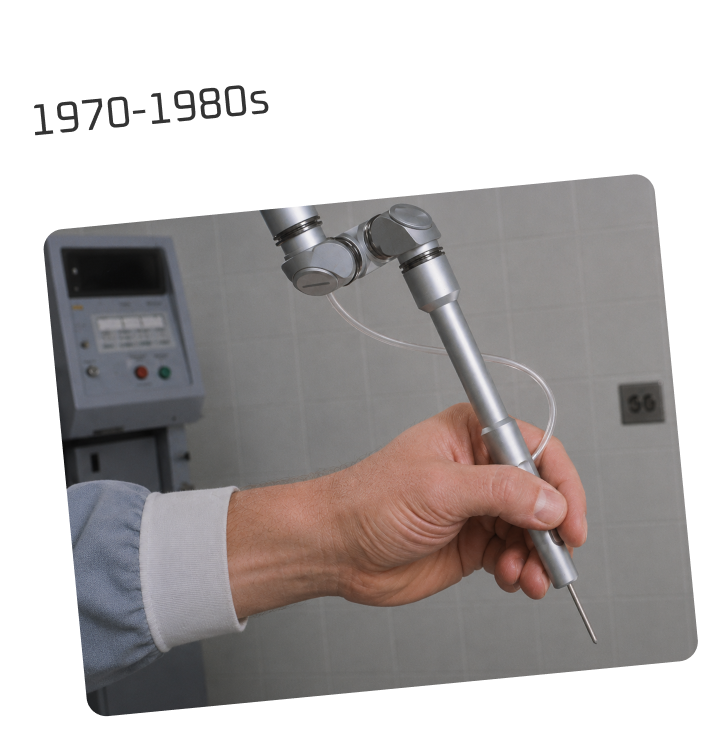
Introduction of laser technology allowed for more precise ablation in the operating room, though recurrences remained frequent.4-6

Researchers identified HPV types 6 and 11 as the primary causes of recurrent respiratory papillomatosis (RRP) in the early 1980s.2 Studies throughout the 1990s and 2000s, such as the 2004 longitudinal study by Wiatrak et al., further established the link between HPV 6 and 11 and the severity of RRP.3
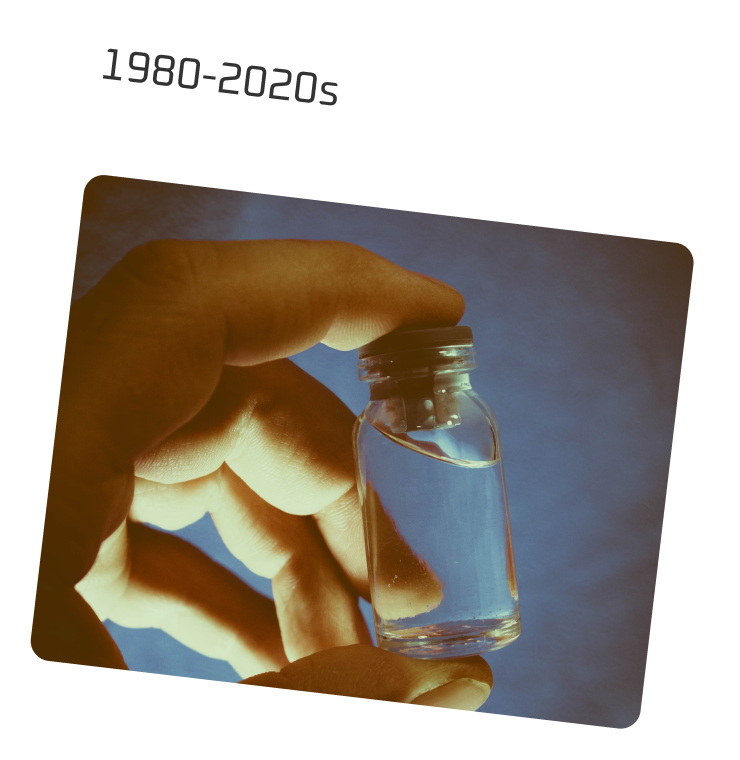
Off-label Experimental Era:
Due to the high recurrence rate of surgery, various non-approved adjuvant treatments were used to try to reduce recurrence.


Next Era: The next era is defined by the FDA approval of the first therapy for the treatment of adults with RRP and the first therapy to address the root cause of RRP.8
CREDITS
1 Goon P, Sonnex C, Jani P, Stanley M, Sudhoff H. Recurrent respiratory papillomatosis: an overview of current thinking and treatment. Eur Arch Otorhinolaryngol. 2008 Feb;265(2):147-51. doi: 10.1007/s00405-007-0546-z. Epub 2007 Nov 29. PMID: 18046565; PMCID: PMC2217621. ; 2Gissmann L, Wolnik L, Ikenberg H, Koldovsky U, Schnürch HG, zur Hausen H. Human papillomavirus types 6 and 11 DNA sequences in genital and laryngeal papillomas and in some cervical cancers. Proc Natl Acad Sci U S A. 1983 Jan;80(2):560-3. doi: 10.1073/pnas.80.2.560. PMID: 6300854; PMCID: PMC393419. ; 3 Wiatrak BJ, Wiatrak DW, Broker TR, Lewis L. Recurrent respiratory papillomatosis: a longitudinal study comparing severity associated with human papilloma viral types 6 and 11 and other risk factors in a large pediatric population. Laryngoscope. 2004 Nov;114(11 Pt 2 Suppl 104):1-23. doi: 10.1097/01.mlg.000148224.83491.0f. PMID: 15514560. ; 4Strong MS, Jako GJ. Laser surgery in the larynx: early clinical experience with continuous CO2 laser. Annals of Otology, Rhinology & Laryngology. 1972;81(6):791–798. PMID: 4636137. DOI: 10.1177/000348947208100606. ; 5Healy GB, et al. Laryngeal papilloma: results of treatment with the CO2 laser and podophyllum. Ann Otol Rhinol Laryngol. 1982;91:425–430. ; 6Dedo HH, Jackler RK. Laryngeal papilloma: results of treatment with the CO2 laser and podophyllum. Ann Otol Rhinol Laryngol. 1982 Jul-Aug;91(4 Pt 1):425-30. doi: 10.1177/000348948209100421. PMID: 7114726. ; 7History of HPV Vaccination: https://sjr-redesign.stjude.org/content/dam/research-redesign/centers-initiatives/hpv-cancer-prevention-program/hpv-advocacy-campaign/history-hpv-vaccination.pdf ; 8FDA Approves First Immunotherapy for Recurrent Respiratory Papillomatosis. August 14, 2025. https://www.fda.gov/news-events/press-announcements/fda-approves-first-immunotherapy-recurrent-respiratory-papillomatosis.
RRP can be juvenile onset or adult onset.
More aggressive disease has been linked to earlier age of onset.
The vast majority of burden is on the adult population, with around 95% of unique patients over the age of 18.


RRP is a serious and debilitating chronic viral condition driven by HPV 6/11 viral infection.
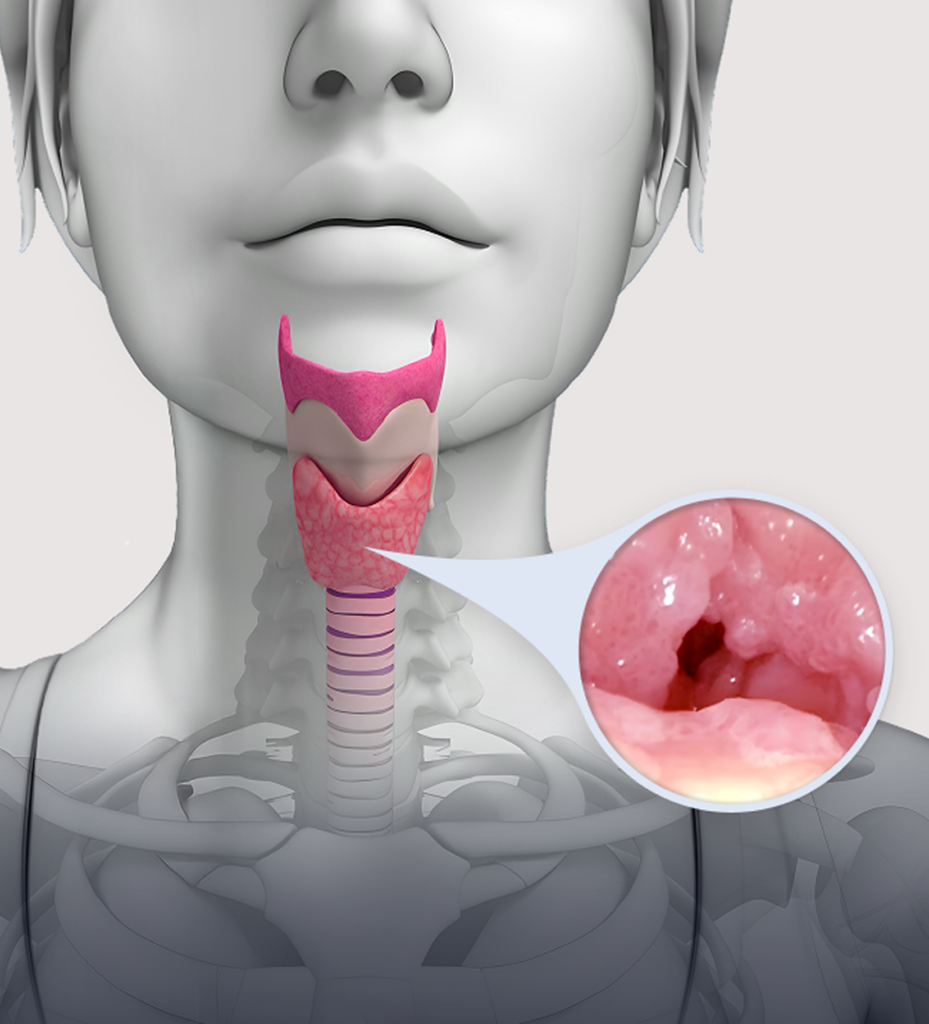
COMMON SYMPTOMS
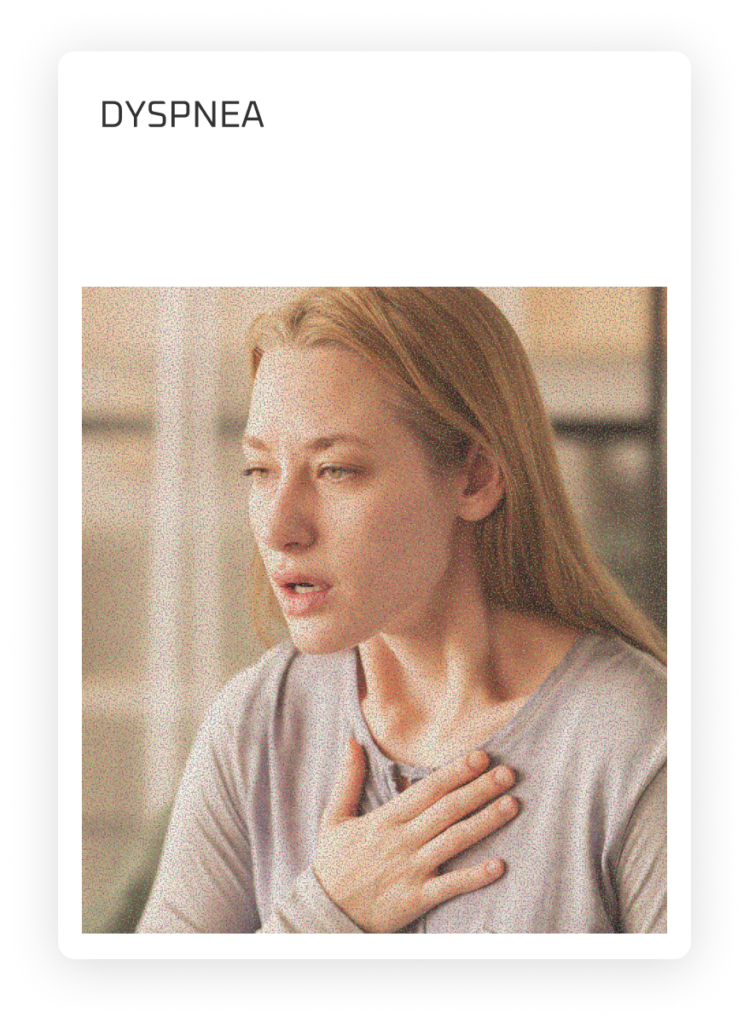
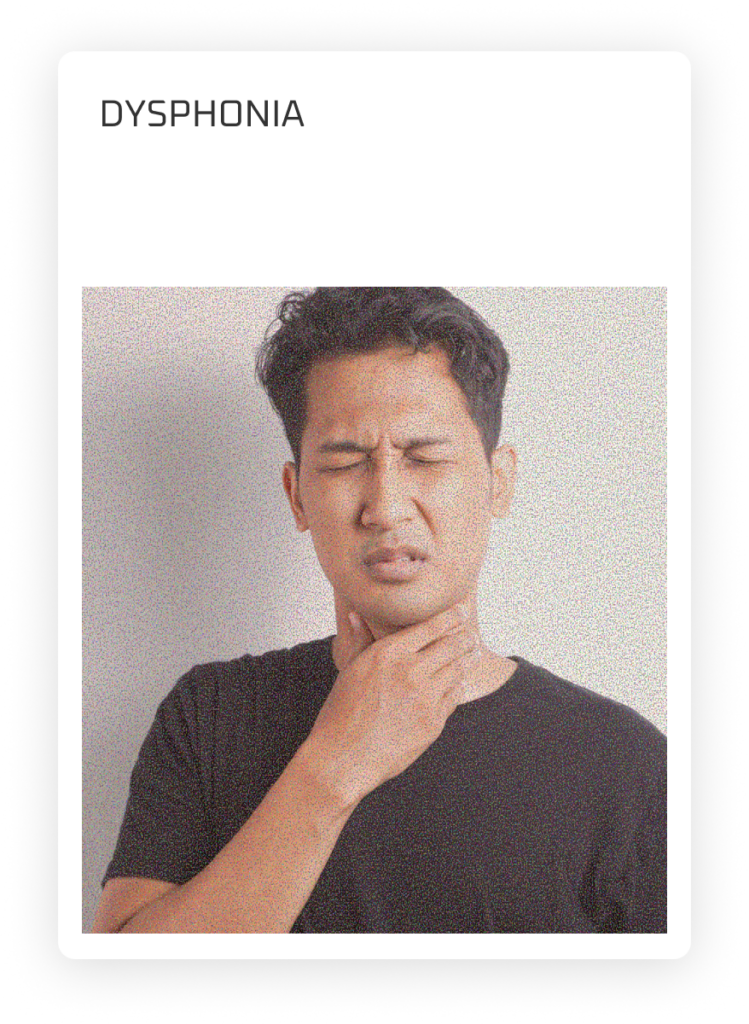
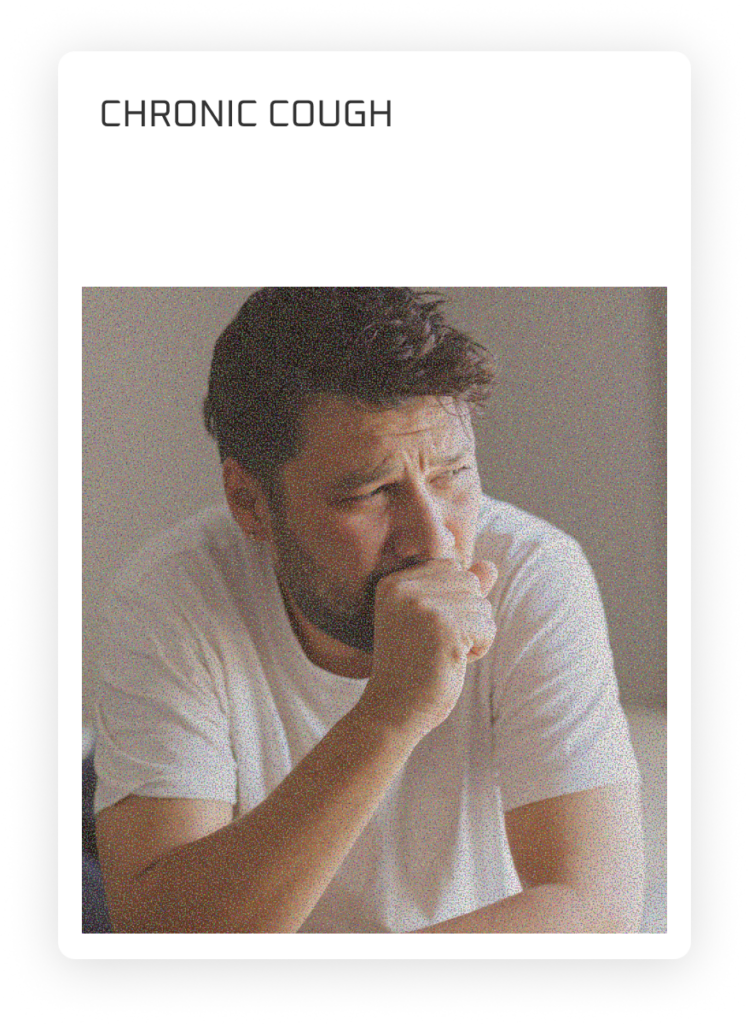
RRP is characterized by papilloma growths in the respiratory tract that can result in severe voice disturbance, compromised airway, and recurrent post-obstructive pneumonias. Although rare, RRP has the potential for transformation to malignant cancer and can be fatal.
RRP Community Stories
For this year’s RRP Awareness Day, we invited individuals living with RRP, caregivers, family members, advocates, supporters, and healthcare providers to reflect on their experiences with RRP and asked them these questions:
- What do you wish you family and friends understood about your experience with RRP?
- What do you wish your healthcare team knew about your journey?
- What is the hardest moment you’ve faced in your role as a caregiver?
- What has it been like watching your child go through repeated surgical interventions?
The responses are honest, powerful, and deeply personal, offering a window into the daily realities, challenges, and resilience that define this journey. This is what the community shared.
The hardest part is not losing my voice temporarily, but losing moments with my children. RRP is invisible to most people, but for families living with it, it affects everything.
I’ve lived with RRP since I was 2 years old (now 32) and have undergone more than 150 surgeries just to keep breathing and speaking.
Even after decades of treatments, the disease continues to affect every part of my life. As a mother now going through my fourth pregnancy, I’ve had to undergo surgeries even while carrying my babies, facing fear and uncertainty while still trying to be a source of comfort and strength for my children.
The physical toll is exhausting, but the emotional toll on my family can be even heavier.
Some of the hardest moments are after surgery, when I cannot speak for days and my children can’t hear me read to them, comfort them, or simply be the voice they know as mom.
Some days, it takes everything in me not to break down, but I keep going for them.
People often hear “growths on vocal cords” and don’t realize RRP can mean hundreds of surgeries, repeated anesthesia, difficult recoveries, fear for the future, and a lifetime of adapting over and over again.
The hardest part is not losing my voice temporarily, but losing moments with my children. RRP is invisible to most people, but for families living with it, it affects everything.
RRP has shaped my life in difficult ways, but it has also taught me resilience, perseverance, and the value of every moment I’m able to share my voice with the people I love.
Living with RRP
Living with RRP

My child had five surgeries between 3 and 5 years old. I got really good at advocating for him in surgery and good at advising other parents on baby surgeries, an expertise I did not want to have.
Mother of son living with RRP
Mother of son living with RRP
I was able to overcome these challenges and take control of my life again with the help of trusted professionals...

At first, it had uncontrollable effects on my personal, social, and professional life—often holding me back, sometimes isolating me from friends and family, making me lose confidence, and questioning the image I projected to others.
However, I was able to overcome these challenges and take control of my life again with the help of trusted professionals (ENT specialists, speech therapists, phoniatrists), the support of the Vaincre PRR association, which provided comfort and real solutions to my concerns, and, of course, by sharing my doubts with my loved ones.
To rise above this rare condition, the key for me was the determination to surround myself with support, break free from isolation, and, above all, stop being a victim of the disease.
Living with RRP
Living with RRP

Constant fear of the papillomas spread to the lungs.
Family member of individual living with RRP
Family member of individual living with RRP

Throughout these numerous years of living with RRP, I have been able to help others with encouragement, loving compassion...
Living with RRP
Living with RRP
How do I explain the feeling of loss... Why simple tasks like going out for a meal or attending a party may seem like fun to others, but for me it causes major anxiety...
Living with RRP
Living with RRP

One of the hardest things is when people ask, “What is wrong with your voice?” The truth is, nothing is “wrong” with my voice. My voice tells a story ...
Growing up with a tracheotomy until the age of 13 shaped much of my childhood and teenage years even to now. While many people may only hear a different voice, they do not see the strength, fear, determination, and perseverance behind it. The papilloma’s have stopped growing in my larynx, but they are now growing in my lungs.
Even through that challenge, God has opened new doors for treatment and hope, and for that I am incredibly grateful.
One of the hardest things is when people ask, “What is wrong with your voice?” The truth is, nothing is “wrong” with my voice. My voice tells a story (a long one). It is unique, and it works for me. It has carried me through surgeries, fear, friendships, work, advocacy, and general life itself. It may not sound like everyone else’s, but it is mine, and I am thankful for it. I’ve worked hard for this voice. There have been many times when my voice became worse and I become a recluse.
That is difficult for my family to fully understand, and honestly, I do not expect everyone to completely understand those feelings unless they have walked this journey themselves. But I do hope people will try to put themselves in someone else’s shoes before making judgments or assumptions. Not every journey is visible to the outside world.
Compassion and understanding matter more than people realize because everyone is carrying battles we may never fully see. I’ve thought about coming up with some real cool answer! But, I haven’t yet. Through all of this, I have been blessed with incredible support. My family has been loving and understanding throughout the years, and I am deeply grateful for the outstanding care from my otolaryngologist and my hematologist/oncologist. Their dedication, compassion, and commitment to my care have made such a difference in my life. I am also thankful for finding RRPF and the connections it has given me with others who share this disease. There is comfort in knowing you are not alone. Being connected to others who truly understand the struggles, fears, victories, and emotions that come with RRP has been meaningful beyond words.
My journey has not been easy, but it has made me stronger, more compassionate, and more appreciative of every blessing life brings. Every surgery, every setback, every fear, and every victory has shaped who I am today.
While RRP has been part of my story, it does not define my spirit. If my journey has taught me anything, it is that we should all lead with compassion. We never truly know the battles someone else is facing. A little kindness, understanding, and empathy can make more of a difference than people realize. Everyone’s journey is different, and no one’s path should be judged from the outside looking in. I am grateful for every day, every opportunity, every advancement in treatment, and every person who has walked beside me through this journey.
Living with RRP
Living with RRP
[RRP] has taught me that even the hardest medical challenges can be transformed into meaningful purpose.

Living with RRP
Living with RRP

Behind the smile is medical trauma, frustration, and the quiet ache of a voice the world was never built to hear.
Living with RRP
Living with RRP

...having RRP is quite challenging. Life slows down and you feel sort of out of the loop. Getting adjusted to your new limitations is the biggest challenge.

Living with RRP
Living with RRP


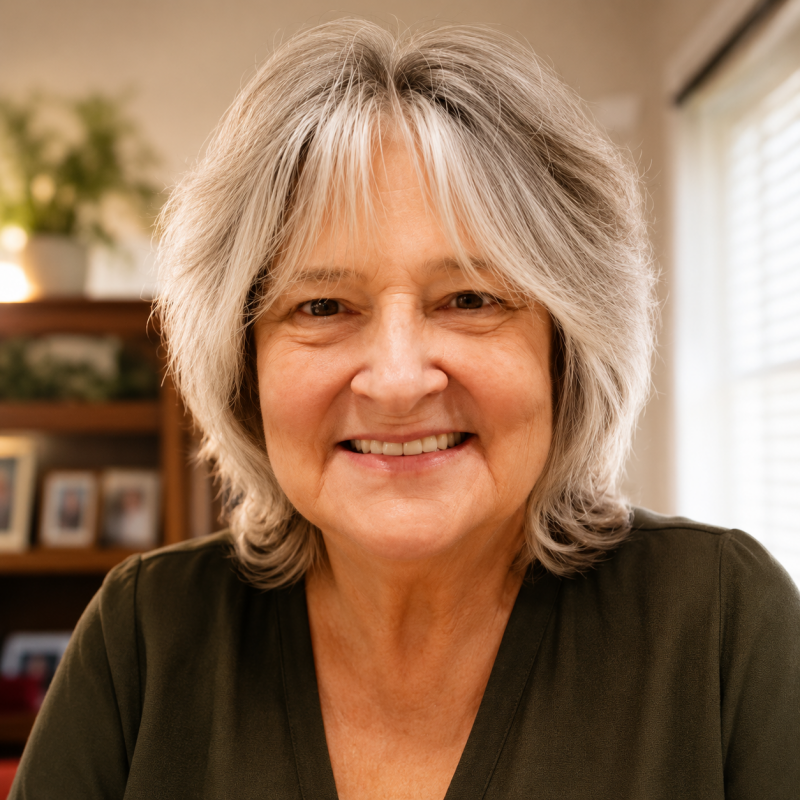
It's quite challenging watching your child struggle to communicate with fellow children during play time, and struggling to respond in class.
It’s so heartbreaking monitoring breathing time and the fear of not knowing when it is going to hit again. Though our admission doesn’t go beyond two days, it’s still a terrifying procedure.
Family member of individual living with RRP
Family member of individual living with RRP
Prior to RRP, I moved through the world as a talkative and engaged extrovert.

Living with RRP
Living with RRP

I’d love for my healthcare team to understand that this condition affects more than just my airway or voice.
Living with RRP
Living with RRP
As a person who speaks to earn a living, it is extremely challenging to deal with this.
Living with RRP
Living with RRP
It is challenging watching [my daughter] undergo so many surgeries. But she has gotten to be so brave! She does not let this disease get in her way. She is the strongest little girl I know!
Family member of daughter living with RRP
Family member of daughter living with RRP

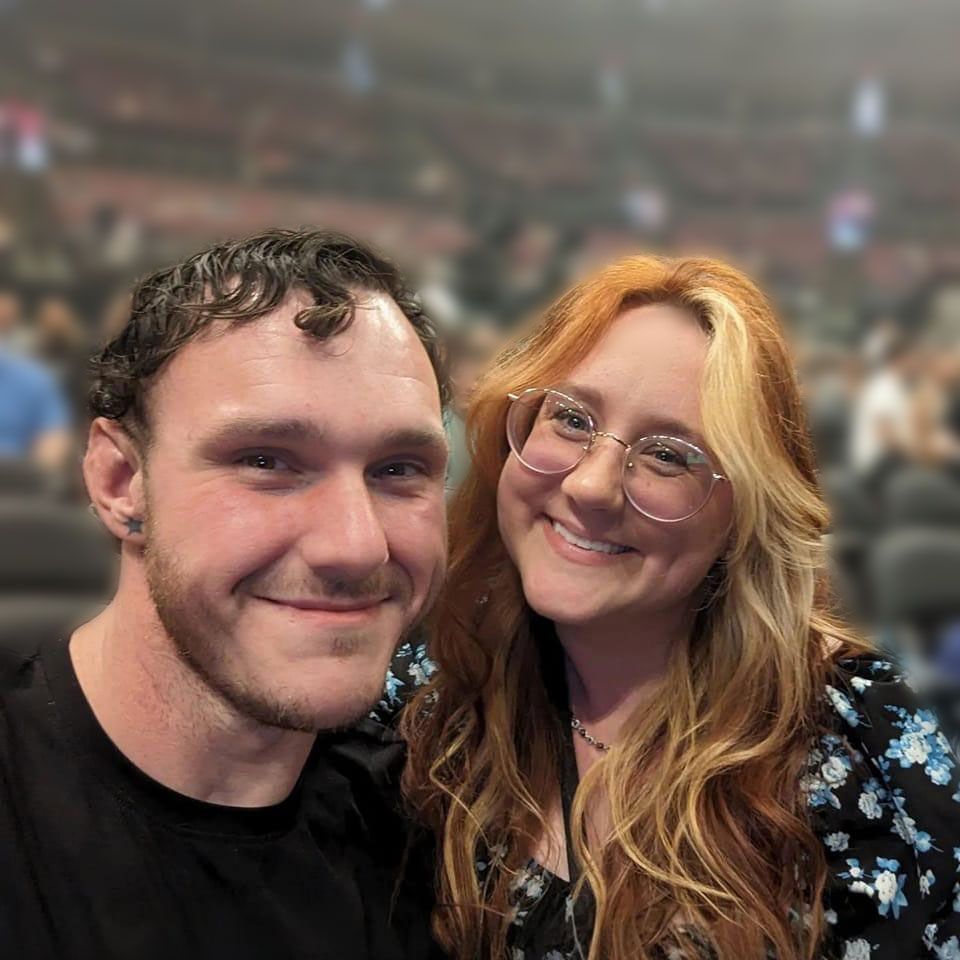
My story with RRP has been long and at times difficult. I have gone upward of 6 months with only being able to talk at a whisper...
Living with RRP
Living with RRP
I hadn't heard of RRP until I was diagnosed with it 6 months ago. It felt like a life sentence.
Living with RRP
Living with RRP
Living with RRP has taught me strength, patience, and the importance of hope. Every challenge I face reminds me that my voice matters, and by sharing my journey, I can help shape a brighter future for others living with RRP.
Living with RRP
Living with RRP
Sometimes my voice may sound different, but my feelings, dreams, and heart are still the same.
Living with RRP
Living with RRP
My doctor was great at helping me deal with the physical aspects of treating RRP, but no one prepared me for the emotional impact of losing my 'normal' voice.
Living with RRP
Living with RRP

Each time your voice sounds hoarse, your mind goes to “is it back?”
Unfortunately it is hard for loved ones to understand what it feels like, and the phrases like “don’t worry” or “everything happens for a reason” don’t help. We just want to hear, we’ll walk alongside you, be your voice when yours is weak, and ride this uncertainty together— with hope.
Living with RRP
Living with RRP
RRP may affect my voice, but it will never silence my strength.

Living with RRP
Living with RRP

I appreciate my doctor’s support...at one point even called himself “just a lawn mower” which I thought was humbling to say the least.

Living with RRP
Living with RRP

Listening to the voice of the patient
The following charts are drawn from a 60-minute electronic survey conducted in June 2025 among 52 adults living with RRP in the United States. The survey was designed to capture the full scope of the RRP patient experience — from surgical burden and treatment history to quality of life (QoL), mental health, and socioeconomic impact. Together, these findings offer a data-driven look at how RRP shapes daily life for adult patients across the US.1
1Bourque, M. et al.2025. Listening To The Voice Of The Patient: Insights From A Survey On The Burden Of Recurrent Respiratory Papillomatosis In The United States. Study presented at ISPOR EU 2025: November 9 – 12, Glasgow, Scotland, UK. This study was sponsored by Precigen. View full data: https://precigen.com/posters/ispor2025_vop.pdf
Historically, RRP has been treated with repeated surgeries to treat and manage RRP symptoms.
Additionally, several non-FDA approved adjuvant therapies were tried over the years to manage or alleviate symptoms.


Additionally, several non-FDA approved adjuvant therapies were tried over the years to manage or alleviate symptoms.

"Surgery was the old way of treating laryngeal papilloma. The next era is HPV-specific immunotherapy. Surgery never could address the underlying problem, and that's exactly what HPV-specific immunotherapy is designed to do."
DR. SIMON R. BEST
Associate Professor of Otolaryngology–Head and Neck Surgery at Johns Hopkins University School of Medicine
What you’ve explored here — the history of RRP, its causes and symptoms, the weight of the data, and the voices of patients, caregivers, family, and healthcare providers — is only part of the story.